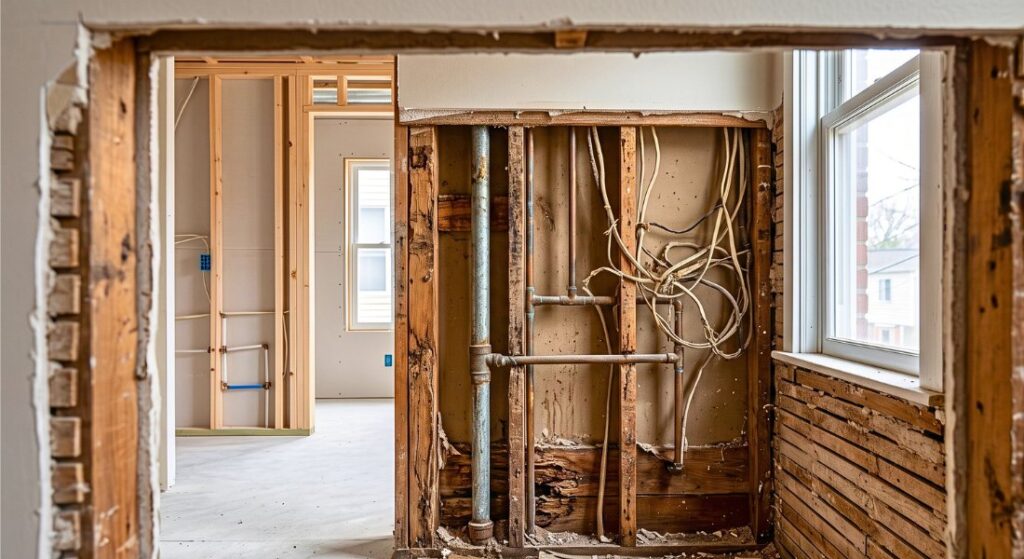
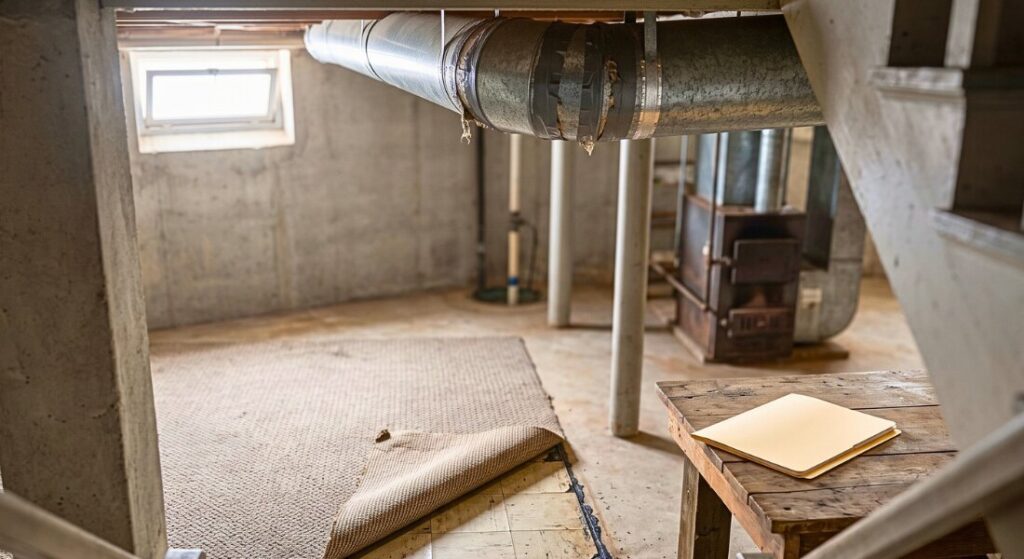
Asbestos is not hiding only in condemned buildings or industrial demolition sites. It can still exist inside older Chicago bungalows, often undisturbed beneath newer finishes. You may find it beneath flooring, around ductwork, or in other older building materials.
Buyers and sellers who do not know what to look for can get blindsided mid-transaction. Those who identify it early can treat it as a line item rather than an automatic dealbreaker. Asbestos is often misunderstood during a transaction, making buyers walk away unnecessarily.
Older Chicago bungalows can contain asbestos in floor tile, siding, ductwork, pipe insulation, and other building materials. Undisturbed asbestos-containing material in good condition generally poses little health risk and does not automatically require removal. Buyers and sellers who identify it early and get professional testing and cost estimates can negotiate from facts rather than fear.
Three Predictable Places to Check First
The public narrative around asbestos centers on industrial demolition and old schools. The residential reality in Chicago is more specific and actionable. Three locations deserve particular attention in older Chicago bungalows.
1. Floor Tile
Asbestos was used in vinyl flooring products for decades. It can appear in basements, on staircases, and in service areas. You cannot reliably identify asbestos by sight, regardless of the tile's age, color, or pattern.
2. Exterior Siding
Asbestos-containing cement siding was used on homes for decades. Later owners sometimes installed new siding directly over older material, leaving it hidden from view. A buyer looking at newer siding may never see, or think to ask about, what sits underneath.
3. HVAC Ductwork
HVAC systems can contain asbestos in older insulation, duct lining, or tape. Illinois EPA identifies air duct lining and other HVAC components as potential asbestos-containing materials. Older furnace ducts may also contain asbestos paper tape.
Mario Greco has extensive experience with Chicago's older bungalow housing stock. He describes how asbestos can remain hidden beneath newer finishes and how that can affect buyer decisions:
"Back in the '40s, '50s, '60s, and '70s, asbestos was used for siding. Instead of taking the asbestos down, they put new siding up. In a gut renovation, everything looks great; there's carpet, there's what looks like vinyl flooring. All of a sudden, you're digging in, and there's a layer of asbestos beneath it. Every time I walk into a house, I can tell a buyer: these are asbestos tiles, that's asbestos tape. A lot of times, the inspector says that's asbestos, despite the fact that it's going to be undisturbed, and that can really scare buyers away."
— Mario Greco, Founder, MG Group at Compass
Gut Renovations vs Teardowns
This distinction matters for anyone evaluating a distressed Chicago property. The distinction changes how you should budget because asbestos is handled differently in each scenario.
On a teardown, asbestos management is tied to preventing fiber release during demolition and properly handling asbestos-containing materials. Depending on the property and the material involved, state and local requirements can apply to asbestos assessment, removal, notification, and disposal. Illinois EPA requires regulated asbestos work to follow specific procedures designed to prevent fibers from becoming airborne.
In a gut renovation, the exposure profile shifts because the structure remains while walls, floors, and ductwork are opened up. That is when previously undisturbed asbestos can become a cost and timeline variable. Illinois EPA recommends having a qualified inspector assess a home before renovation or demolition. The risk moves from the air outside to the budget inside.
A buyer or developer who buys a gut-renovation candidate without accounting for potential abatement costs is working from an incomplete budget. Depending on the material and scope, asbestos abatement can add thousands of dollars to a renovation. Larger projects can cost substantially more. The number is solvable, but the surprise is what can damage a deal. For a broader look at Chicago renovation costs, see The Gut Renovation Vs New Construction Cost.
Buyers evaluating gut-renovation candidates should request an asbestos assessment as part of the inspection. A scope-and-cost estimate from a qualified asbestos professional turns a vague concern into a line item, and a line item is negotiable.
An Asbestos Finding Is Not a Dealbreaker
This is often where deals lose momentum unnecessarily. An inspector who identifies possible asbestos is doing an important part of the inspection. The finding does not automatically mean the material is dangerous or the deal should collapse.
Asbestos-containing material generally presents little health risk when it remains intact and undisturbed. The risk increases when material is damaged or disturbed during renovation, repair, or removal. The U.S. Environmental Protection Agency recommends managing intact asbestos-containing materials in place rather than disturbing them unnecessarily.
The bigger problem can be buyer psychology. A first-time buyer may have no frame of reference for undisturbed versus disturbed material. Seeing "asbestos" in an inspection report can make the issue seem worse than it is.
Experienced representation can help put the finding in context. A good agent can connect the buyer with a qualified asbestos professional and keep negotiations focused on the actual scope and cost.
Mario Greco describes the ductwork issue this way:
"In Chicago, a lot of HVAC ductwork was taped together with asbestos tape. Even when buildings have had new ductwork added, they don't remove the old asbestos tape. So when I'm listing a home and I see that, I'll tell the sellers: when you bought this, did your inspector mention this was asbestos? They say no. I say, I don't know if it's asbestos, but let's keep this in mind. If it's in your basement flooring tile, just put carpet over it. But if you really want to replace it, call the white suits, wrap the house, and abate. It can really scare buyers away, but it doesn't have to."
— Mario Greco, Founder, MG Group at Compass
Not sure how to interpret a Chicago bungalow asbestos finding before your deal loses momentum? Talk to the MG Group team about what the inspection could mean for your property and budget.
Illinois Law and Asbestos Disclosure
Illinois does not generally require asbestos removal simply because a residential property is being sold. Sellers must disclose material defects they actually know about, and the state disclosure form specifically asks about unsafe asbestos conditions.
For sellers, identifying a known asbestos condition early can make negotiations more straightforward. A remediation scope and cost estimate can give buyers concrete numbers instead of leaving the issue to an inspection surprise. Sellers are not required to conduct a specific asbestos investigation under the disclosure law.
For buyers, the inspection and attorney review process is the right time to understand an asbestos finding. Buyers can negotiate based on the actual scope and cost. Termination rights depend on the contract and circumstances. Buyers should have their attorney review the finding and available options.
Other Materials Buyers Often Miss
Floor tile, siding, and ductwork are common places to encounter asbestos in older Chicago homes, but they are not the only ones. Pipe insulation, boiler insulation, roofing materials, ceiling materials, and other building components may also contain asbestos.
The concern becomes greater when renovation plans involve removing or disturbing these materials. A project that looks limited to a kitchen, basement, or mechanical room can uncover additional materials that require assessment before work continues.
That is why renovation planning should account for more than what is visible during a standard walkthrough. A qualified asbestos professional can identify suspect materials and recommend sampling before demolition begins.
For buyers planning a major renovation, understanding the full scope before closing can prevent unexpected work, delays, and added costs.
Chicago Bungalow Asbestos Questions Buyers Ask
Is asbestos in a Chicago bungalow automatically a health risk?
No. Asbestos-containing material generally presents little health risk when it remains intact and undisturbed. The risk increases when material is damaged or disturbed during cutting, sanding, drilling, renovation, or removal. Illinois EPA recommends having a qualified professional assess asbestos-containing materials before renovation or demolition.
What does Chicago bungalow asbestos abatement cost?
Costs vary widely based on the material, quantity, accessibility, containment requirements, and scope of work. A professional assessment and written estimate provide a more useful number than a generic cost range. Getting that estimate before negotiations can turn an uncertain expense into a defined line item.
Can a buyer negotiate a price reduction if asbestos is found during inspection?
Yes. A documented asbestos finding can give a buyer a basis for negotiating the purchase price or requesting a seller credit. A professional assessment and abatement estimate make the negotiation more concrete. The goal is to negotiate around the actual scope and cost rather than the word "asbestos" alone.
How do I know if my Chicago bungalow has asbestos siding under newer materials?
Age can indicate whether asbestos-containing materials are possible, but it cannot confirm their presence. Older homes may contain asbestos in siding and other building materials. A qualified asbestos professional can evaluate suspect materials and arrange sampling when appropriate. Illinois EPA recommends professional assessment before renovation or demolition.
What does the asbestos abatement process involve?
Professional asbestos abatement uses controlled work practices designed to prevent fiber release. Depending on the project, contractors may use containment, wet methods, HEPA filtration, negative-pressure systems, and protective equipment. Trained asbestos professionals should handle removal or encapsulation.
Are Chicago bungalow buyers required to test for asbestos before closing?
The Illinois Residential Real Property Disclosure Act does not require sellers to conduct a specific asbestos investigation. The law instead requires disclosure of material defects the seller actually knows about. Buyers planning renovations should consider a professional asbestos assessment before work begins, particularly when older materials may be disturbed.
Get Ahead Before Asbestos Affects the Deal
Asbestos in a Chicago bungalow is a data point, not a verdict. Buyers who identify it early, understand the potential cost, and negotiate from facts can make informed decisions about properties other buyers may overlook. Sellers who address the issue before listing can give buyers clearer information instead of leaving the finding to the inspection.
Evaluating an older Chicago bungalow as a buyer, seller, or developer? Connect with Mario and the MG Group to understand what an asbestos finding could mean for your property and budget.
ABOUT THE AUTHOR
Mario Greco | Founder, The MG Group at Compass | 24+ years, 5,080+ transactions, $2B+ in career sales | #1 Large Team in Chicago (RealTrends 2024) | #2 Team in Chicago (RealTrends 2025) | Top 1% since 2002 | JD, Boston University | BS Engineering, Northwestern