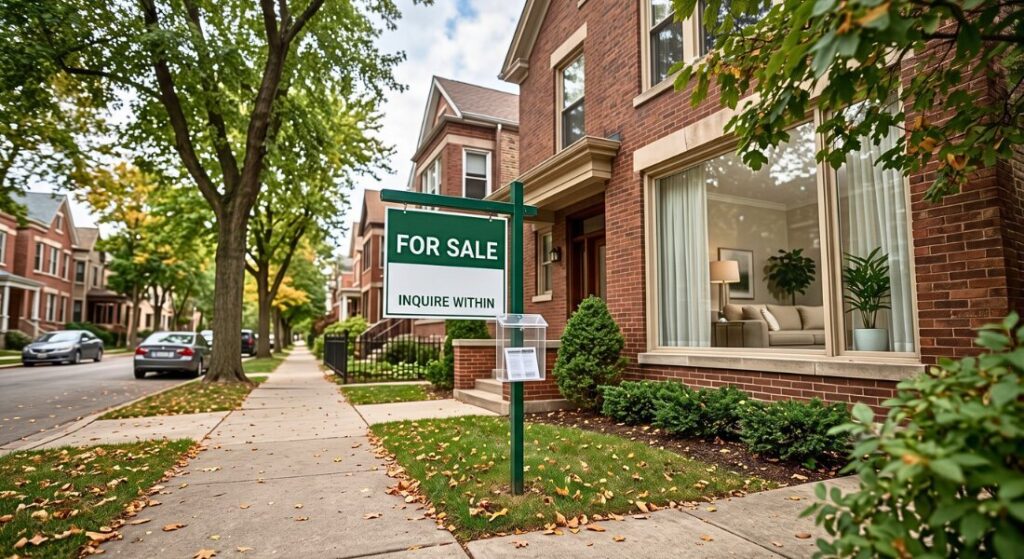

When Busy Showings Don’t Lead to Offers
Every seller loves steady showing traffic, until it stops meaning anything. I’ve seen it happen all the time in Q4: 100 showings, no second visits. We’ve tried repainting, new photos, and even a bathroom update. The market just doesn’t like our price.
The false‑hope zone occurs when your listing looks busy on paper but silent where it counts. For Bridge‑Plan sellers who often need to sell to fund their next move, it’s the most dangerous phase. Pride often delays strategy.
Why Smart Sellers Have a “Reality Check” Conversation
Too many sellers treat pricing like poker, bluffing until someone calls. But in today’s rebalanced market, buyers aren’t calling; they’re scrolling past.
Greco highlights three mental traps that keep sellers stuck:
- Anchoring bias: “Our neighbor sold it last spring.”
- Endowment effect: “We know our home is worth more.”
- Loss aversion: “Dropping the price feels like losing money.”
Waiting too long, in fact, is what really loses money. Recognizing these biases gives you leverage. You act smarter, not later.
The 90-Day Market Signal
I use a simple benchmark. If a listing goes 90 market days with no meaningful second showings or offers, it’s time to adjust.
Three months is the tipping point. Online algorithms and MLS filters push older listings lower in search results. Buyers begin to assume something’s wrong, even when nothing is. The longer you wait, the quieter your listing becomes.
Seller Story: Choosing Data Over Denial
Ben and Maya listed their Logan Square home in late summer at $985,000. They averaged four showings per week, but never a second visit. By October, they faced the truth: traffic wasn’t getting any traction.
I benchmarked their listing against comparable sales, noting that many successful sales had dropped 3–4% within 60 days. We adjusted the price to $949,000. Within a week, they had two serious showings and an offer.
It wasn’t luck. It was timing. This experience highlights the sharp divide between wishful pricing and responsive pricing in today’s market.
Decision Time: Drop or Pause?
| Situation | Best Move | Why |
| High traffic, no offers | Drop price 3–5% | Market rejection of value, not visibility |
| Low traffic, seasonal (Q4) | Pause until February | Avoid stale days during buyer hibernation |
| Unique or luxury listing | Go off‑market or private listing | Control exposure until demand returns |
| Multiple showings + repeat feedback | Fix staging, photos first | Refine presentation before repricing |
I blend psychology with math. Let the data tell you whether your listing prices itself too high or is just mistimed.
Smart Price Cuts: Right vs. Wrong
- Wrong way: Wait until January, then slash 10%.
- Right way: Cut early, modestly, with purpose.
A 3–5% trim signals realism without panic. It refreshes your ranking in algorithms, triggers saved‑search alerts, and frames your property as a “new” opportunity. Early, thoughtful moves build credibility and attract serious buyers.
When Pausing Becomes a Power Move
Sometimes the most brilliant move is to walk away temporarily. If you’ve listed your home for months and activity has died down, consider pausing the listing. Restarting in February can preserve its freshness.
The benefits:
- Reset photos and staging for spring.
- Avoid the “why hasn’t it sold?” narrative.
Maintain flexibility for your next move.
One of my sellers chose to wait until next year. It wasn’t out of fear, but because they were ready to adapt when demand returned.
The True Cost of Waiting
For Bridge‑Plan sellers, the cost of delay goes beyond equity:
- Every extra month adds $4K–$8K in carrying costs.
- It delays financing for your next purchase.
- It contributes to decision fatigue and stress.
If you finally drop the price months later, buyers sense your fatigue and negotiate harder. Delay costs energy, not just equity.
Seller Sanity Matrix
| Seller Mood | Market Signal | Best Move |
| “Traffic but no traction.” | Price fatigue | Drop 3–5% and relaunch |
| “It’s dead out there.” | Seasonal slowdown | Pause and relaunch in Feb–Mar |
| “We’re exhausted.” | Burnout risk | Go off‑market or rent short-term |
| “We’re chasing old comps.” | Unrealistic pricing | Reset expectations with current data |
Pricing isn’t punishment; it’s alignment. The faster you align, the faster you close.
Seller Reality Check FAQs
How do I know if my price is too high?
If you’ve had consistent showings but no offers or second visits after 60–90 days, it’s likely above buyer perception. Let data, not emotion, guide your next move.
Is it better to pause or reduce prices during the holidays?
In Q4, pausing can be strategic. Avoid stale market days and relaunch fresh when demand returns.
What’s the ideal percentage for a price drop?
A 3–5% reduction is usually sufficient to trigger saved‑search alerts and reset your listing’s algorithm without signaling desperation.
Can a price cut backfire?
Only when it’s too steep or too late. A moderate, data‑driven adjustment shows responsiveness, not desperation.
Why does “time on market” matter so much?
Both online algorithms and buyer psychology favor newer listings. Older ones begin to appear less desirable even when nothing’s wrong.
What about a unique or luxury listing?
Consider going private or off‑market until seasonal demand improves. It protects your positioning and keeps your options open.
How can I stay objective when emotions run high?
Rely on your agent’s data and market insight. Treat your decision like portfolio management. Emotion clouds strategy, numbers clarify it.
Make the Smart Move Before the Market Forces One
In Q4, appearances can be deceiving because busy showings do not always lead to offers. At The MG Group, we help sellers make smart moves, from price adjustments to pausing or relaunching listings. We combine market data with buyer psychology to ensure your listing works as hard as you do.
Connect with The MG Group to align your price with the market and turn indecision into successful sales.