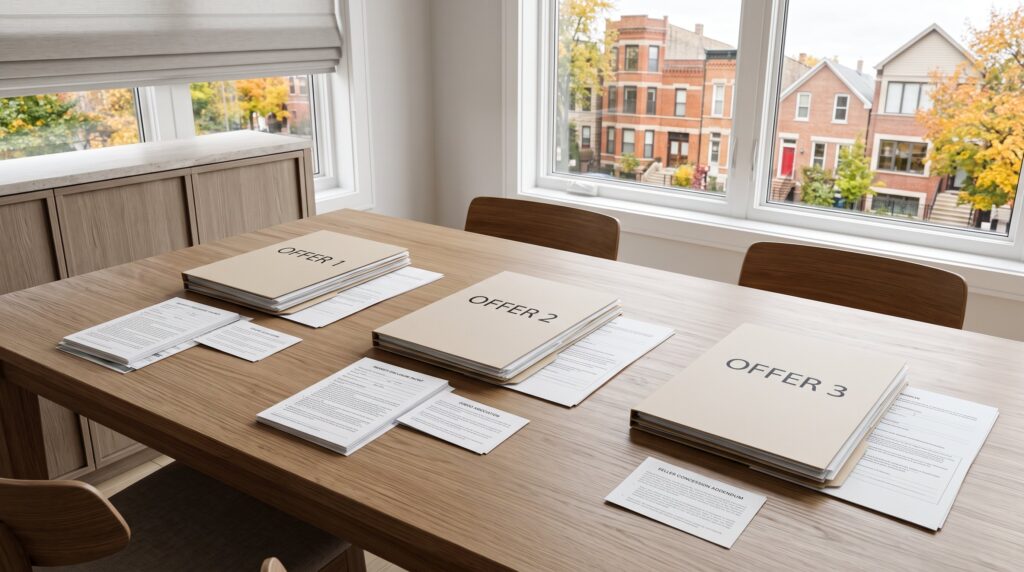
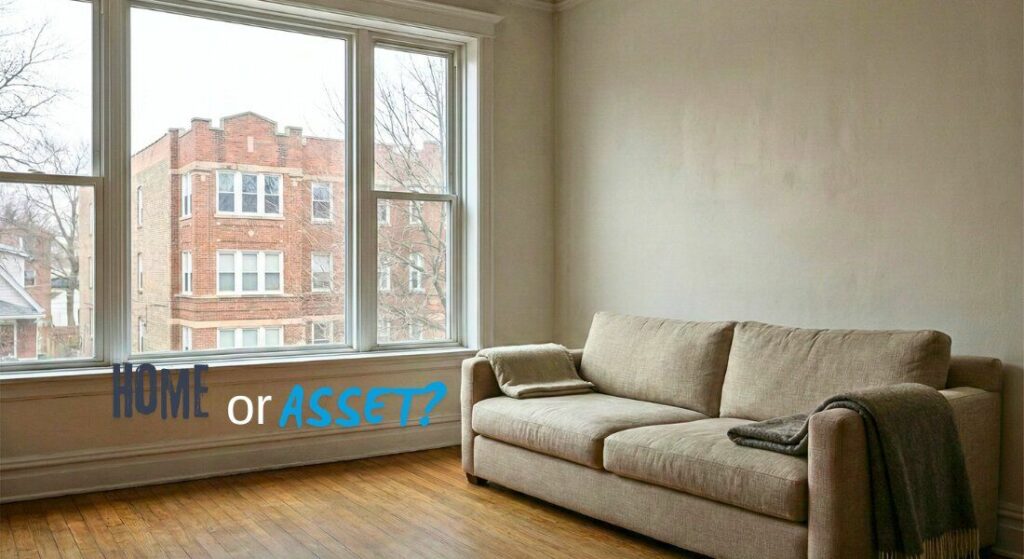
When a Chicago homeowner says, “We don’t want to sell right now. We’ll just rent it out,” it sounds reasonable. The market feels soft, and the price you hoped for seems out of reach. Renting feels like pressing pause instead of admitting a loss.
For most former primary residences, renting does not prevent losses. It only hides them. The issue isn’t that the math is wrong. It’s that the math is incomplete.
The decision to rent or sell cannot hinge on avoiding a loss. It requires a full evaluation of the financial and operational realities of turning a home into a rental.
Why Avoiding a Loss Feels Safer Than It Is
Most sellers fixate on a single number. Maybe at its peak, the home was worth $40,000 more.
That loss feels real. You can point to it.
What doesn’t feel as real are the quiet losses that build each month when a primary residence becomes a rental. These include weak or negative cash flow and rising operating costs. Vacancy risk, deferred maintenance, and loss of flexibility when you finally decide to sell are also common challenges.
Renting feels like control. In practice, it often delays hard decisions and adds new risks. When emotion drives the plan, the true cost shows up later, often in ways that are hard to see.
The Structural Flaw in Renting a Primary Residence
The root issue comes from how the property was originally purchased.
Buyers choose primary residences based on:
- What feels affordable
- Lifestyle preferences
- Emotional value
- Historically low interest rates
- Minimal down payment assumptions
Investors evaluate properties based on:
- Rent-to-price ratios
- Debt coverage
- Reserves
- Return on capital
These frameworks are not interchangeable. A home purchased for living rarely performs like a purpose-built investment.
Most Accidental Landlords Fail
I’ve spent years advising Chicago homeowners who become accidental landlords, and I see the same problem over and over. Most buyers purchase homes to live in, not to rent.
Buying a house and running it as a rental are two very different worlds. It’s almost impossible to cash flow a home bought as a principal residence versus one bought as an investment. The numbers you ran were about what you could afford, not what covers operating expenses.
That simple distinction explains why so many “we’ll just rent it” plans quietly fail. Renting typically only works if you purchased the property with the intent to rent it. Intent matters more than hope.
The Quiet Loss That Adds Up
Even if the rent covers the mortgage, that is not cash flow. That’s survival.
Accidental landlords often underestimate or overlook costs such as maintenance creep, HOA increases, and appliance replacements. They also face insurance hikes, tenant turnover, and non-payment scenarios.
In Chicago, the risks are real. A tenant losing a job or needing to move does not just mean lost rent. It can mean months of carrying the property while bills still come due.
The question isn’t “Will it rent?” The question is “How long can I carry it when it does not?” Reserves aren’t optional. Without them, even one imperfect tenant can make the plan collapse.
A Story That Repeats for Accidental Landlords
An owner rents out a former primary home because selling feels premature. The rent covers most of the mortgage, and cash flow looks “close enough.” For the first six months, everything seems stable.
Then a repair hits. Next, the HOA raises dues. The tenant gives notice in winter, and the unit sits vacant longer than expected. The owner covers two months of payments while repainting and replacing worn flooring. By the time a new tenant moves in, the original “avoided” loss has quietly grown.
Nothing catastrophic happened. No dramatic mistake occurred. The damage came from accumulation.
Most accidental landlord stories end not with a crisis but with fatigue. Slow leaks are more dangerous than sudden shocks. They drain clarity, cash, and options over time.
Why Delaying the Sale Often Backfires
Many owners assume they can rent for a year or two and then sell when the market improves.
In reality, renting first often makes the eventual sale more difficult. Tenants control access and the unit’s appearance. Units rarely appear clean or neutral. Vacating the unit before listing can result in months of unrented time. Closing delays push the cash-out timeline even further.
Once tenants leave, prep costs surface: painting, flooring, appliance replacements, and wear-and-tear repairs. These aren’t optional if you want market value.
The money you thought you’d gain by waiting doesn’t disappear. It simply gets repackaged over time. Delay doesn’t equal protection. More often, it reduces your leverage when timing finally matters.
Being Honest Beats Avoiding Loss
Renting instead of selling can be the right move if the numbers truly work and you have reserves. It also requires high risk tolerance and a genuine desire to manage a rental.
However, most accidental landlords aren’t making this move as part of a strategy. They’re basing it on discomfort. Discomfort with finality or acknowledging a market shift. They can’t let go of a prior peak value.
That reaction is human. But markets do not reward emotional hedging. When risk quietly compounds, clarity almost always beats optionality.
A Simple Framework to Decide
Before choosing to rent to avoid a loss, ask yourself a few direct questions:
- If this were a stranger’s property, would I buy it as an investment today?
- Would I be comfortable owning this if the market stayed flat for three to five years?
- Do I want the responsibilities that come with this asset, or just the idea of flexibility?
If the honest answers lean toward no, selling is probably the right move. You’re acting before the hidden costs quietly add up, and before committing to a role you never wanted.
Your Top Renting Questions Answered
Is renting always a bad idea if I am facing a loss?
No. Renting works when the property produces real cash flow, reserves are strong, and you want to operate a rental. Problems arise when owners use renting simply to avoid facing the numbers.
What if rent covers my mortgage exactly?
Covering the mortgage is not the same as profit. Maintenance, vacancies, and capital expenses still exist. Break-even on paper often turns out to be negative in practice.
How long should I plan to hold if I decide to rent?
You should be comfortable holding for at least 3-5 years without relying on appreciation. If that horizon feels stressful, the strategy may not fit your goals.
Does renting hurt resale value later?
It can. Tenant wear, limited showing access, and delayed timing often reduce leverage and increase prep costs before listing.
What reserves should I realistically have?
A healthy reserve covers several months of full carrying costs plus expected maintenance. If an unexpected vacancy were to force a rushed decision, reserves are insufficient.
Is waiting for the market to rebound a strategy?
Waiting is a strategy only if the property performs while you wait. If the asset drains resources, time works against you.
How do I decide objectively?
Run the numbers as if you were buying the property today. Remove history and emotion. If you would not buy it now as an investment, reconsider holding it.
Act Before Hidden Costs Catch Up
The choice to rent or sell is more than a financial calculation. It’s about protecting your time, energy, and long-term security.
At MG Group, we help Chicago homeowners navigate these decisions with clarity and confidence. We provide personalized guidance to weigh risks, understand true costs, and choose the path that aligns with your goals.
Don’t let uncertainty drive your next move. Contact our team today to take control and make a decision that works for your life and your future.