New Construction vs. Resale in Chicago: Understanding Where the Risk Is
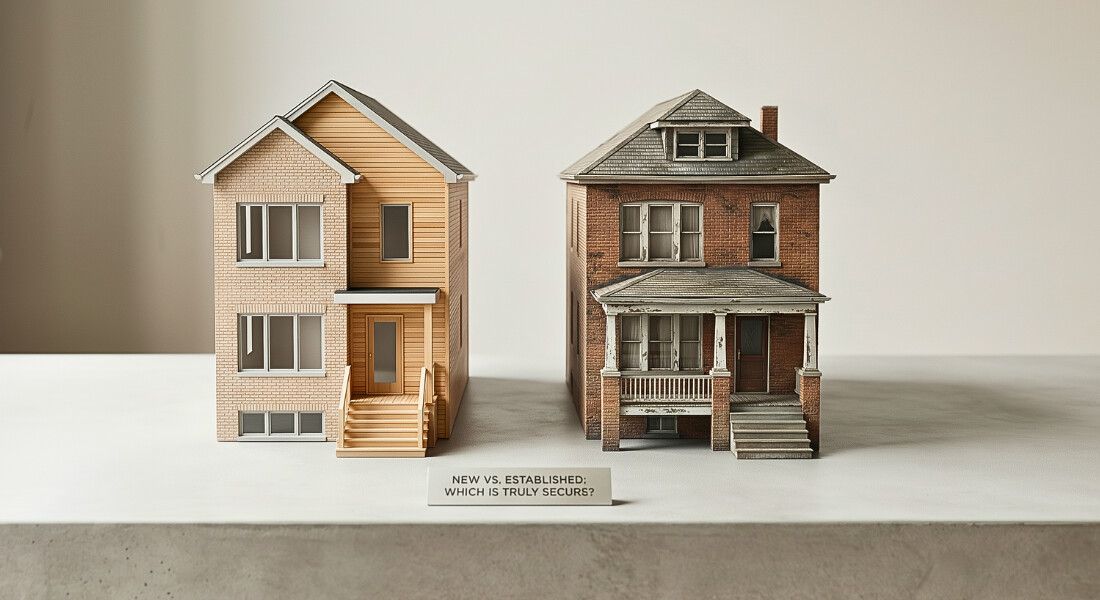
When most buyers consider new construction vs. resale in Chicago, they frame the issue the same way: new construction feels safer.
That framing sounds logical, especially in a market as complex as Chicago. It is also misleading.
The real issue is not which option carries less risk. It’s the type of risk you are willing to live with, manage, and budget for over time. Once buyers understand that distinction, the decision becomes far clearer and far less emotional.
Why Chicago Has Less New Construction Than Buyers Assume
Chicago suffers from a structural undersupply of new construction. That is not a short-term issue or a cyclical blip. It is the result of layered constraints that make it difficult to deliver new homes at scale.
Zoning restrictions limit density in many neighborhoods. Permitting timelines stretch projects longer than pro formas anticipate. Land costs often fail to align with end pricing. Regulatory friction adds uncertainty that developers must price into projects.
The result is simple. New homes cannot be delivered fast enough to meet demand. Scarcity pushes prices up and quietly pushes many buyers into the resale market by necessity rather than preference.
What New Construction Actually Protects You From
New construction does reduce certain categories of risk. That is not a myth.
You get newer mechanical systems, modern building envelopes, updated wiring and plumbing, and initial builder warranties. Immediate capital repairs are less likely in the first few years. For buyers with low tolerance for uncertainty, that predictability carries real value.
That translates to greater peace of mind in the early ownership window, especially if cash flow predictability matters more than long-term flexibility.
The Risks Buyers Underestimate in New Construction
New does not mean static, finished, or immune to change. Many risks show up only after closing.
Settling cracks in drywall or finishes are common and often excluded from warranties. Window treatments, closet systems, and basic personalization costs surprise many buyers because builders don’t include them in pricing. These are not optional expenses for most households.
For condo buyers, the biggest blind spot is the HOA ramp-up risk in new buildings. Builder-created budgets often underestimate service needs and overestimate cost efficiency. As the building transitions from construction to real-world operation, assessments frequently rise.
The Truth Buyers Often Miss
Consider two buyers who closed on new condos in different Chicago neighborhoods within the same year. Both loved the clean lines, modern layouts, and the feeling of starting fresh.
Year one felt calm, with no repairs or surprises. Then reality began to surface.
One building realized its utility costs were higher than projected. Another underestimated snow removal and maintenance contract. Reserve contributions increased. Within two years, both HOAs raised assessments meaningfully.
Neither buyer made a bad decision. They simply misunderstood when the risk would show up.
Contrast that with a resale buyer who walked into a ten-year assessment history, a clear reserve study, and known operating patterns. The systems were older, but the math was stable.
Why Resale Condos Feel Boring and Why That Matters
Resale buildings rarely excite buyers as much as new construction. They feel familiar. Sometimes they feel dated.
That boredom is often a feature, not a flaw.
In resale buildings, operating costs are known. Reserve behavior is visible. Assessment history tells a story about how the condo association responds to repairs and expenses. You can see patterns instead of projections.
That means fewer surprises and more control, even if the home itself lacks the novelty of brand-new finishes.
Resale Risks Are Visible, Not Hidden
Resale homes come with aging components. Furnaces, roofs, masonry, and plumbing eventually need attention.
The difference is transparency. These risks are inspectable and priceable. Buyers can negotiate around a twelve-year-old furnace. You can account for a roof replacement that appears in meeting minutes and reserve studies.
Buyers are rarely shocked by aging systems or components. What shocks them is an unexpected financial shift they did not know to anticipate.
Character vs. Control in Chicago Housing
Chicago buyers often split into two camps. Some value character, history, thick walls, and architectural detail. Others prioritize clean lines, warranties, and modern layouts.
Neither preference is wrong. Problems arise when buyers assume new construction eliminates risk or that resale means accepting all of it upfront.
Aligning your risk tolerance with your lifestyle priorities matters more than chasing the right category.
The Budgeting Reality Most Buyers Miss
New construction often shifts costs to the post-closing period. Taxes adjust once the full assessed value is recognized sometimes not for 1-2 years after closing. HOA fees normalize as operations stabilize. Personalization expenses arrive immediately.
Resale properties tend to front-load cost visibility. Taxes, assessments, and maintenance patterns already exist. Understanding when costs appear is as important as understanding how large they are.
How Experienced Advisors Frame the Choice
The best advisors do not ask which option is better. They ask which risk profile lets you sleep at night.
Some buyers cannot tolerate cosmetic imperfections or the need for repairs. Others cannot tolerate unknown future costs or shifting monthly obligations.
Self-awareness leads to better decisions than any checklist ever could.
A simple conversation with a knowledgeable advisor can help clarify those trade-offs early.
FAQs About New Construction vs. Resale in Chicago
Is new construction always more expensive in Chicago?
Not always just on a purchase price basis, but it often is when accounting for total ownership costs. Taxes, assessments, and personalization expenses can narrow or reverse the gap over time.
Are resale condos riskier because they are older?
Not necessarily. Age introduces maintenance needs, which are usually visible and documented. Predictability often offsets age-related concerns.
Do builder warranties fully protect buyers?
Builder warranties help, but they have limits. Cosmetic issues, settling, and many HOA-related expenses fall outside their scope.
Why do HOA assessments rise in new buildings?
Initial budgets are often placeholders. Real-world operating costs reveal gaps once the building is fully occupied and in use.
Can inspections eliminate resale risk?
Inspections reduce uncertainty, but they do not eliminate the need for future repairs. They help buyers plan rather than guess.
Which option holds value better long-term?
Value retention depends more on location, building management, and market conditions than on whether a home is new or resale.
Should first-time buyers avoid resale?
No. Many first-time buyers benefit from the predictability of resale. The right choice depends on comfort with maintenance versus financial variability.
Evaluating New vs. Resale Risk
New construction is not always safer. Buyers who understand where the risk lives and when it shows up rarely regret their decision.
If you want help evaluating which risk profile fits your goals, we are happy to walk through the numbers, not just the finishes. Contact MG Group to start your search for the right home in Chicago.