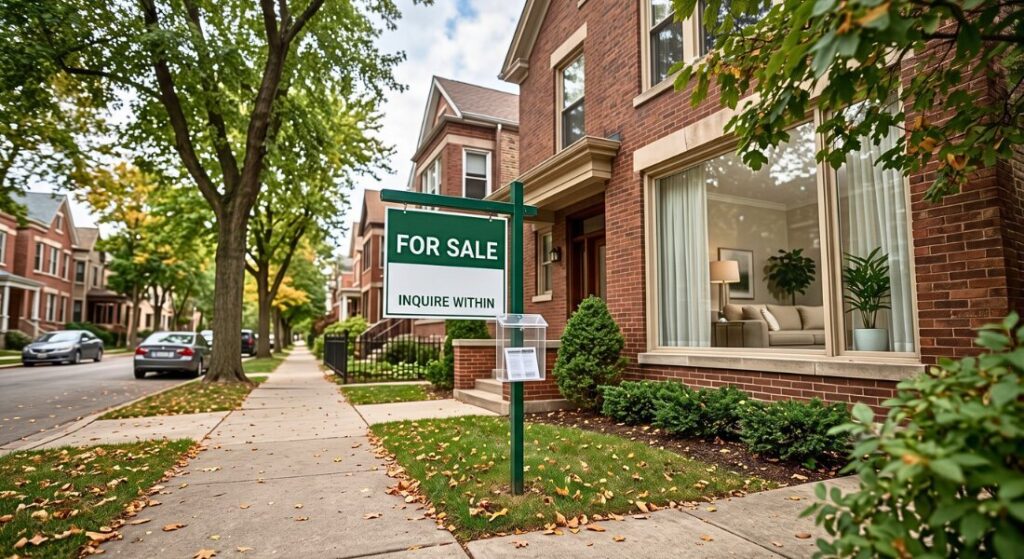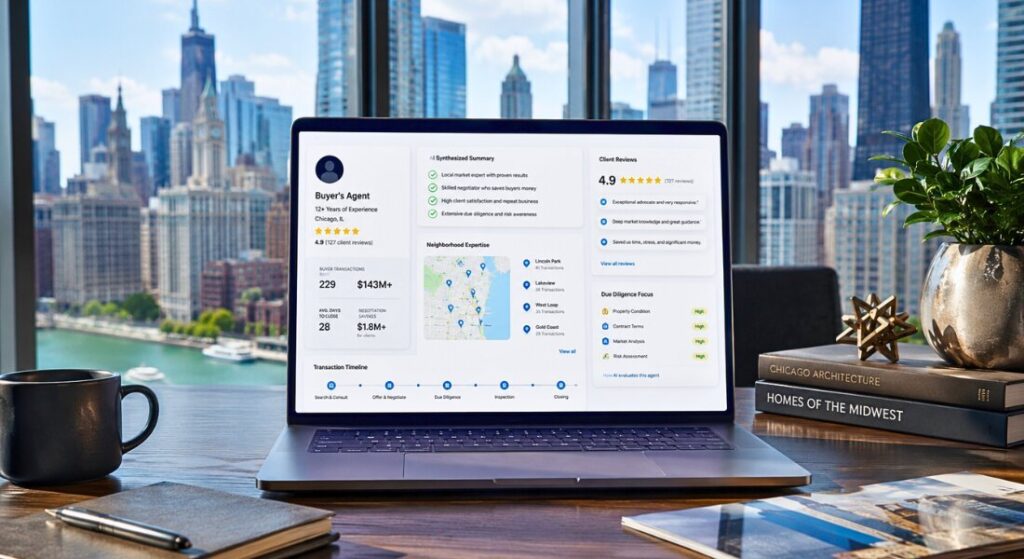

Compass utilizes three listing tiers that reach buyers in very different ways. Chicago sellers who choose the wrong tier often leave money on the table.
Compass offers three listing tiers that serve different purposes: private exclusives visible only to Compass agents, private network listings shared with all licensed agents but not public portals, and coming-soon listings syndicated to consumer portals like Redfin. Most Chicago sellers benefit most from private network or coming-soon tiers rather than full private exclusives, which limit buyer competition and typically result in lower sale prices. The private network reaches qualified buyers through professional agents while coming-soon listings build pre-market momentum with consumer awareness before the official offer period begins.
These three listing tiers each serve a highly distinct purpose. Conflating them remains a very common mistake sellers make today.
This post will explore what each tier actually accomplishes in a fast-moving market. We will cover who these tiers serve and when the math changes.
Understanding the Three Compass Listing Tiers
Compass operates a layered exposure model featuring three distinct tiers.
Private exclusives are visible only to internal Compass agents. Buyers represented by other brokerages cannot see these properties.
The private listing network sits one level above the exclusive tier. Listings here circulate across the entire Chicago real estate agent community. However, they do not syndicate to public consumer portals like Zillow. This layer keeps listings visible to professionals before going fully public. Properties must eventually appear on the main MLS per industry rules.
Coming-soon listings now syndicate directly to major portals like Redfin. That makes them visible to public home searchers before they officially launch.
The Strategic Logic Behind Tiered Listings
The Compass-versus-Zillow dispute and the syndication agreements that followed have generated competitive noise. However, the underlying strategic logic deserves a fair read.
Mario Greco has watched this local market evolve across multiple cycles. He views this strategy from inside the brokerage, driving the debate.
“What Compass did is spur this idea that there’s nothing wrong with putting the property to the market in a preliminary sense, without really hamstringing your seller by hiding it. Private exclusives are hidden unless you’re LeBron James, someone who doesn’t want anyone to know but the five people that can buy their home. I’m not sure private exclusives help anybody, honestly. Private listing network and coming soons, that’s great. Basically everything’s out there again anyway.” – Mario Greco, Founder, The MG Group at Compass
The gap between the private network and public MLS has narrowed. The practical difference usually comes down to initial portal search traffic. This represents meaningful volume but not a massive category-defining advantage. Active agents already search every available channel for their motivated clients.
The True Value of Tiered Exposure in Chicago
The coming-soon and private networks solve a very real local problem. This is especially relevant in Chicago’s current low-inventory real estate environment.
Lincoln Park homes are frequently generating multiple aggressive buyer offers. Roscoe Village single-family homes draw offers from buyers sight unseen.
Generating pre-market awareness through the private network creates something highly valuable. It offers a controlled window to gauge demand and manage logistics. Sellers arrive at their public launch with momentum rather than uncertainty.
Coming-soon syndication adds public consumer eyeballs to that initial window. The coming-soon period functions as a highly effective marketing runway. It builds strong anticipation before the official offer deadline clock starts.
The math only shifts in very niche seller situations. Restricting exposure to only Compass agents leaves qualified buyers behind. That specific trade-off requires a very clear upside to justify it.
Are you unsure which listing tier fits your specific property? Talk to the MG Group team about the right exposure strategy today.
The Reality for Buyers Searching on Consumer Portals
A buyer who searches exclusively on Zillow misses Compass private exclusives entirely. They see private network properties after they circulate through professional agents. In a fast-moving market, that initial delay is very real.
Buyers working with active agents hold a material information advantage. Their agents monitor the private listing network daily for new opportunities. This advantage is about timing rather than secret market inventory. Timing determines outcomes in a market generating multiple rapid offers.
Compass affiliation provides access to the private listing network by default. The more important variable is an agent who actively surfaces listings. Brokerage affiliation matters less than agent attentiveness and market speed. This distinction carries real weight if you are searching in Wicker Park or West Town.
Review our recent Chicago housing market overview for broader context. It covers the structural supply picture driving these intense market dynamics.
Does the Private Exclusive Tier Ever Make Sense?
This specialized tier rarely makes sense for the average seller. I state this reality very plainly to my Chicago clients.
The private exclusive tier serves a very narrow seller population. It suits sellers with security concerns or high public profiles. Broad exposure might be genuinely harmful rather than merely inconvenient here. Most sellers would trade maximized buyer competition for unneeded privacy.
Fewer eyes on a property naturally mean fewer buyer offers. Fewer offers mean less leverage in the final negotiation. Less leverage ultimately means less money for the home seller.
The private listing network threads the needle much more effectively. It offers a broad professional reach without excessive consumer portal noise. That provides a clean transition to full MLS exposure when ready.
Navigating the Compass and Zillow Listing Dispute
The industry discussion centers on buyer access and market transparency. Zillow argues that excluding listings from portals creates an uneven playing field. Compass argues that sellers retain the right to control listing exposure.
Local MLS boards like Midwest Real Estate Data (MRED) maintain strict rules. Listings must hit the MLS shortly after any public marketing occurs. The recent syndication agreements represent a functional and practical industry resolution. Compass coming-soon listings now flow to Redfin and select partner channels.
This corporate debate is largely background noise for Chicago sellers. You need the tier that generates the most competitive tension.
Common Questions About Chicago Listing Strategies
What is the Compass private listing network in Chicago?
The Compass private listing network shares a property with all licensed agents across every brokerage in the market, similar to the MLS. However, it does not push the listing to public consumer portals like Zillow or Realtor.com. Agents searching for inventory on behalf of clients can see private listing network properties. General consumers searching independently cannot.
What is a Compass private exclusive listing?
A Compass private exclusive listing is visible only to Compass agents and their clients. It does not appear on the public MLS, Zillow, Redfin, or Realtor.com. This tier suits sellers who require strict privacy but limits the buyer pool to those represented by Compass agents, which can reduce competitive tension and, in turn, the final sale price.
What does coming soon mean on a Compass listing?
Coming-soon listings are properties that have not yet launched on the public MLS but are already syndicated to Redfin and partner brokerages through Zillow’s coming-soon channel. This tier gives sellers a pre-market visibility window to build buyer awareness before the official offer period begins.
Does using the private listing network hurt a seller’s final price?
In most cases, no. The private listing network reaches every licensed agent in Chicago, which means qualified buyers represented by any brokerage can learn about the property. The primary audience missing is unrepresented consumers browsing Zillow or Realtor.com directly. In a high-demand Chicago market, professional agent networks typically generate enough buyer competition to support strong pricing.
Should Chicago buyers work with a Compass agent to access all listings?
Buyers benefit most from working with an active agent who monitors the private listing network daily, regardless of brokerage. The more important factor is whether the agent checks the network consistently and moves quickly when relevant properties appear. Attentiveness matters more than affiliation.
How does the coming-soon period benefit Chicago sellers?
In Chicago’s current low-inventory environment, the coming-soon period allows sellers to generate agent awareness and consumer interest before the offer clock starts. This runway can produce a more competitive opening weekend.
What should a Chicago seller ask before choosing a listing tier?
Ask three questions. How many qualified buyers does each tier realistically reach for a property like mine? What is the expected difference in offer volume between a private listing network launch and a full MLS launch? Does my situation genuinely require privacy, or am I trading buyer competition for a benefit I don’t need?
Optimize Your Listing Strategy
Compass listing tiers can deliver significant marketing benefits to Chicago sellers. However, you need a clear strategy before choosing a listing tier. Each option changes exposure, timing, and buyer competition in measurable ways.
The MG Group helps sellers make this decision with clarity. We can analyze your property and recommend the optimal exposure path. Connect with our team to align your strategy with current market conditions.
ABOUT THE EXPERT
Mario Greco | Founder, The MG Group at Compass | 24+ years, 5,080+ transactions, $2B+ in career sales | #1 Large Team in Chicago (RealTrends 2024) | #2 Team in Chicago (RealTrends 2025) | Top 1% since 2002 | JD, Boston University | BS Engineering, Northwestern